How to Power Your Backyard BBQ with Solar Energy?
Outdoor gatherings become more enjoyable when lighting, music, and appliances run smoothly. While a backyard BBQ may seem simple, tangled extension cords or noisy generators can disrupt the mood. Solar power offers a tidy, quiet way to bring electricity outside—using sunlight collected by day to fuel evening fun and convenience. As portable solar gear has become more user-friendly, it’s now an accessible option for any household. In this article, you’ll find practical steps to plan, store, and use solar energy for a seamless and festive backyard BBQ.

1. Get the Right Solar Gear
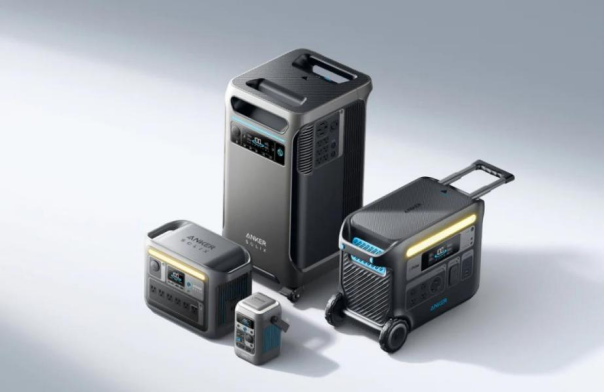
Choosing suitable solar equipment is the foundation of a successful backyard power setup. A typical arrangement includes portable solar panels paired with a compact power station that stores electricity for later use. This combination allows energy collection during the day and stable power delivery in the evening when the party is in full swing. Some integrated generator solar systems, such as those from the Anker Solix range, are designed to balance portability with enough output to handle lights, speakers, and small cooking devices. Their all-in-one style makes setup straightforward in a backyard setting where convenience matters. Selecting gear with multiple outlets and sufficient battery capacity ensures everything runs smoothly without frequent recharging.
2. Plan Your Power Budget
List Your Party Devices
Every backyard BBQ uses more powered items than expected, so making a list prevents energy shortages later. String lights create atmosphere, Bluetooth speakers provide music, and electric coolers keep drinks chilled. Some gatherings also include projectors for outdoor movies or small electric grills to supplement charcoal cooking. Phone chargers often become necessary as guests capture photos and videos throughout the event. Writing down each device, even small ones, helps create a realistic view of total demand. This step turns solar planning into a practical household task rather than a technical guessing game.
Calculate Total Energy Needed
Once devices are listed, estimating their energy use helps determine the right battery capacity. Most electronics display their wattage or charging requirements on labels or adapters. Multiplying wattage by the number of hours each device will run provides a rough watt-hour total. Adding a buffer for unexpected use, such as louder music or longer lighting time, prevents running out of stored power. This simple math ensures the solar setup matches the scale of the gathering. A well-planned energy budget keeps the party running without interruptions.
3. Charge Before the Party
Set Up Panels in Full Sun
Solar panels should be placed where they receive direct sunlight for most of the day. A patio, open lawn, or driveway area usually works better than shaded spots under trees. Adjusting the angle of the panels toward the sun improves charging efficiency, especially during morning and afternoon hours. Keeping the panel surface clean from dust or leaves also helps maximize energy collection. Starting the charging process early in the day gives the system more time to store power. Good positioning can make the difference between partially charged and fully ready equipment.
Fill Your Power Station to 100%
A fully charged power station provides peace of mind before guests arrive. Even if solar panels continue working during the event, having maximum stored energy ensures stable performance after sunset. Checking battery levels on the station’s display helps confirm readiness. If sunlight is limited, topping up from a household outlet earlier in the day can provide extra assurance. This preparation step prevents mid-party power adjustments. Starting with a full battery allows attention to stay on hosting rather than troubleshooting.
4. Run Your Party Efficiently
Connect Lights and Music First
Lighting and music usually define the atmosphere of a backyard BBQ, so they deserve priority. Connecting these essentials first ensures the event feels lively and welcoming as evening approaches. Energy-efficient LED string lights consume very little power while providing warm illumination. Portable speakers typically draw moderate energy, making them suitable for battery-powered setups. Adding other devices gradually allows monitoring of overall power usage. This order of connection keeps the most noticeable features running even if limits are reached later.
Use Energy-Saving Settings
Many devices include settings that reduce power consumption without affecting enjoyment. Lowering speaker volume slightly can extend playtime while still filling the yard with music. Dimming lights or using fewer decorative fixtures also conserves stored energy. Some appliances have eco or low-power modes that reduce cycling frequency. Small adjustments across multiple devices add up to significant savings over several hours. Efficient use helps the solar setup comfortably last through the entire gathering.
5. Enjoy Clean, Quiet Power
No Cords or Generator Noise
One of the biggest advantages of solar-powered backyard events is the absence of noisy engines. Without a fuel generator running, conversations remain clear and the environment feels more relaxed. Fewer long extension cords also reduce tripping hazards for guests moving around the yard. The setup appears cleaner and more organized, contributing to a pleasant atmosphere. Quiet operation allows background music and natural evening sounds to blend comfortably. This subtle improvement often becomes one of the most appreciated aspects of solar power.
Share Your Green Setup
Guests often notice and appreciate creative solutions that make gatherings more comfortable and thoughtful. A solar-powered BBQ can become a conversation starter about practical ways to use renewable energy at home. Seeing lights and music run from stored sunlight helps make the concept feel tangible and realistic. Demonstrating how everyday events can use cleaner energy adds an educational element without disrupting the fun. It also shows that sustainable choices can fit naturally into normal routines. Positive examples like this often inspire similar setups for future gatherings.
Conclusion
Powering a backyard BBQ with solar energy is both practical and surprisingly simple with proper planning. Choosing suitable gear, estimating energy needs, and charging in advance lay the groundwork for a smooth event. Smart usage during the party ensures essential devices run throughout the evening. The result is a quieter, safer, and more flexible outdoor setup that supports comfort without extra clutter. Solar power blends naturally into everyday life when matched with realistic expectations and thoughtful preparation. With the right approach, backyard celebrations can stay bright, musical, and welcoming long after the sun goes down.